
 EN-US
EN-US
 ES-ES
ES-ES
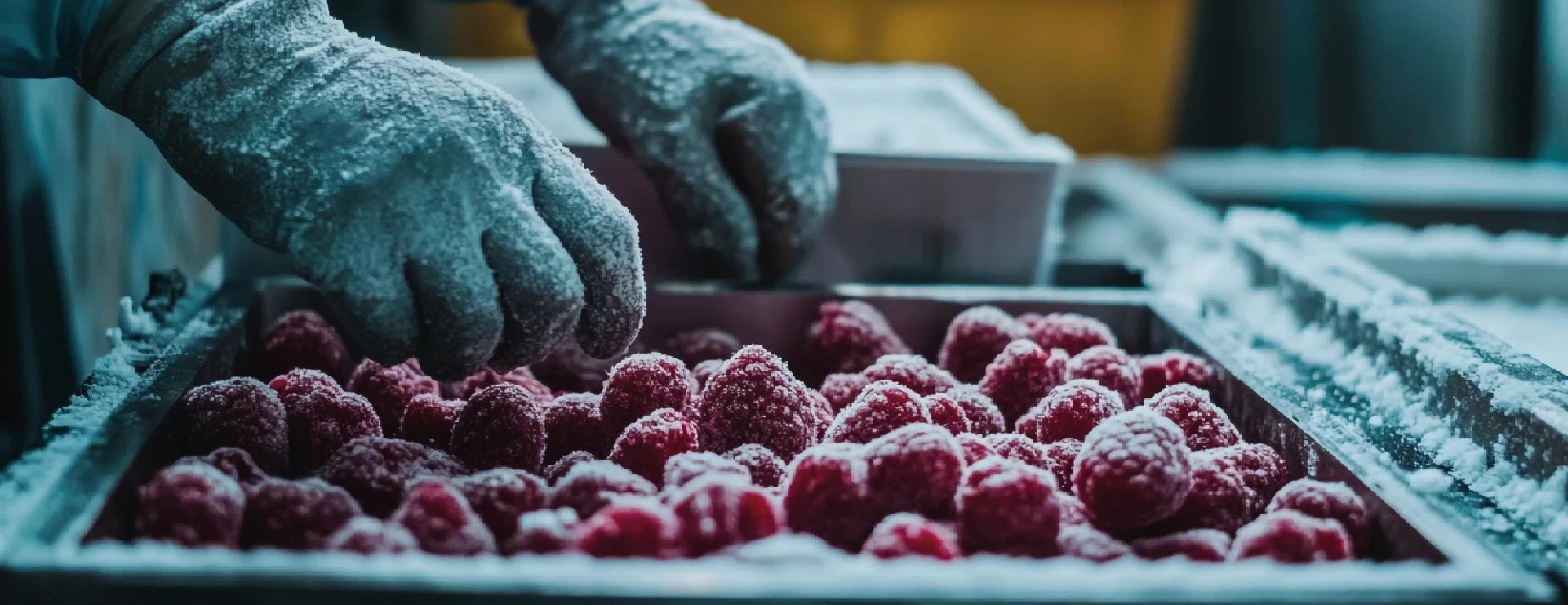
Cryogenic freezing is one of the most advanced and effective technologies when it comes to food preservation. Have you ever wondered how frozen foods maintain their texture, flavor, and nutritional value for so long? The answer lies in rapid freezing techniques. And metals play a key role in this process.
Cryogenics is the science that studies the behavior of materials at extremely low temperatures, generally below –150°C. In the food industry, this technology is applied to the rapid freezing of food, a process that offers significant benefits:
- Nutrient Preservation: Prevents the formation of large ice crystals, which damage food cells and compromise their nutritional value.
- Maintenance of Original Texture: Ultra-fast freezing prevents moisture loss and keeps the food structure intact.
- Increased Food Safety: Low temperatures inhibit the growth of microorganisms, increasing the shelf life and safety of products.
- Energy Efficiency: Cryogenic processes are faster and consume less energy than traditional freezing methods.
Main Gases Used in Cryogenic Freezing
Each type of cryogenic gas has specific applications in the industrial cold chain. Here are the most commonly used ones:
- Liquid Nitrogen (-196°C)
Ideal for rapid freezing of meat, seafood, pasta, and vegetables.
- Carbon Dioxide (-78.5°C)
Used in cooling systems to maintain the cold chain in supermarkets and restaurants, especially in long-distance transport.
- Argon (-186°C)
Used in delicate foods, such as ready meals and confectionery products, ensuring that texture and flavor are preserved.
The Role of Metals in Cryogenic Equipment
Metals are essential components in the manufacture of cryogenic chambers, storage tanks, and piping for transporting refrigerant gases. Let's understand how they are used:
Thermal Conductivity
Metals such as aluminum and copper have excellent thermal conductivity and are widely used in heat exchangers, freezing plates, and cryogenic pipes.
They ensure rapid and uniform heat transfer, allowing food to reach the ideal temperature in a few seconds, but they have a limitation in terms of working temperature, which can be around -40°C.Resistance to Low Temperatures
Stainless steel is one of the most widely used metals in cryogenic equipment because, in addition to withstanding extreme temperatures, it offers high resistance to corrosion and oxidation. It is ideal for cryogenic gas storage tanks, such as liquid nitrogen and carbon dioxide.Durability and Safety
In cryogenic environments, materials must withstand repeated cycles of cooling and heating without deformation.
The use of special stainless steel alloys ensures durability and operational safety, even under severe conditions.
Despite the benefits, the use of metals in cryogenic equipment also presents challenges. One of the main ones is thermal fatigue, which occurs when materials are subjected to repeated cycles of cooling and heating, and corrosion, especially in humid environments or in the presence of chemicals. To overcome this problem, it is essential to choose high-quality metals and rely on trusted suppliers.
At Haenke, we understand that the performance of a cryogenic system depends directly on the quality of the metals and joints used.
That is why we have developed an exclusive line of special flexible metal tubes designed to withstand extremely low temperatures and harsh environments. Our products offer greater durability and resistance to thermal shock, operational safety in applications with liquid nitrogen and other cryogenic gases, as well as high pressure resistance, stable performance, and reduced maintenance.
With the right solutions, you can ensure efficient freezing, preserved food quality, and reduced operating costs.
Contact our team to find the best option for your project!
🌐 Acesse nosso site: www.haenke.com.br/en
And follow us on Instagram: @haenkebr for more information and industry news.