
 EN-US
EN-US
 ES-ES
ES-ES
Classified areas are part of everyday life in chemical, petrochemical, food, mining, paint, fuel, and many other industries that deal with flammable substances. Working in these locations requires technical understanding and assertive decisions, as small deviations can result in major risks.
Based on technical guidelines from the industry, this article explains, in an objective manner, what characterizes a classified area, how it is divided into zones and groups, and what precautions are essential to ensure safety.
What is a Classified Area and Why Does it Exist
A classified area is any location where there is the presence or possibility of an explosive atmosphere. According to the technical concept, this atmosphere occurs when gases, vapors, dust, fibers, or combustible particles mix with the air and, after ignition, are able to sustain and propagate an explosion.
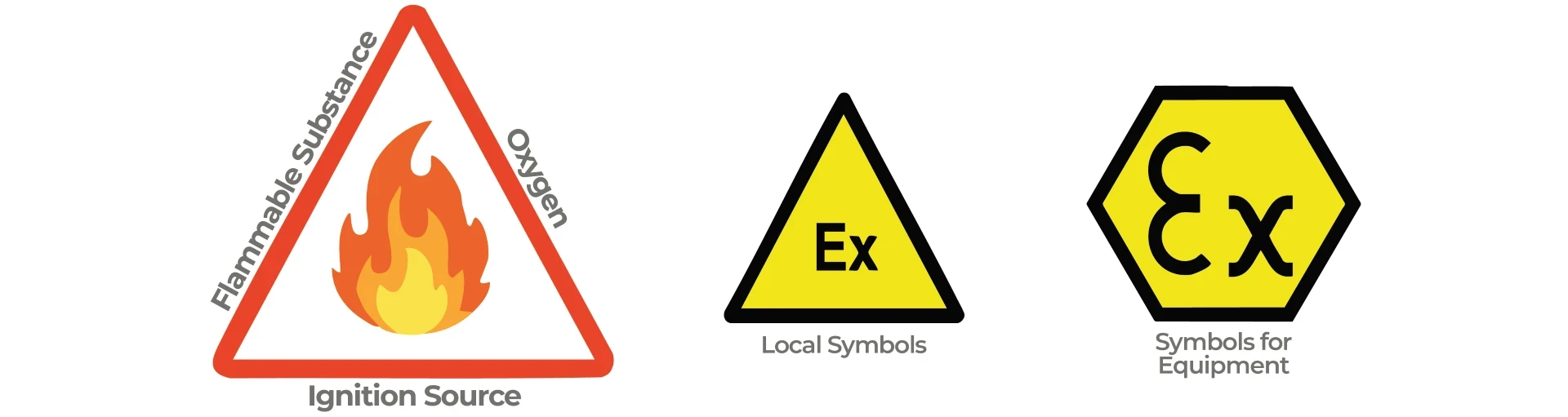
The principle governing this risk is the well-known explosion triangle, consisting of:
- Fuel
- Oxygen
- Ignition source
If one of these elements is controlled, the environment becomes safe. The role of engineering is precisely to minimize or eliminate the possibility of ignition through proper design, installation, and maintenance.
 Area Classification: Risk Zones and Probability
The classification is based on standards such as ABNT NBR IEC 60079 and international systems such as ATEX and IECEx. It determines the level of risk present in each location.
1. Areas with Flammable Gases, Vapors, or Mists
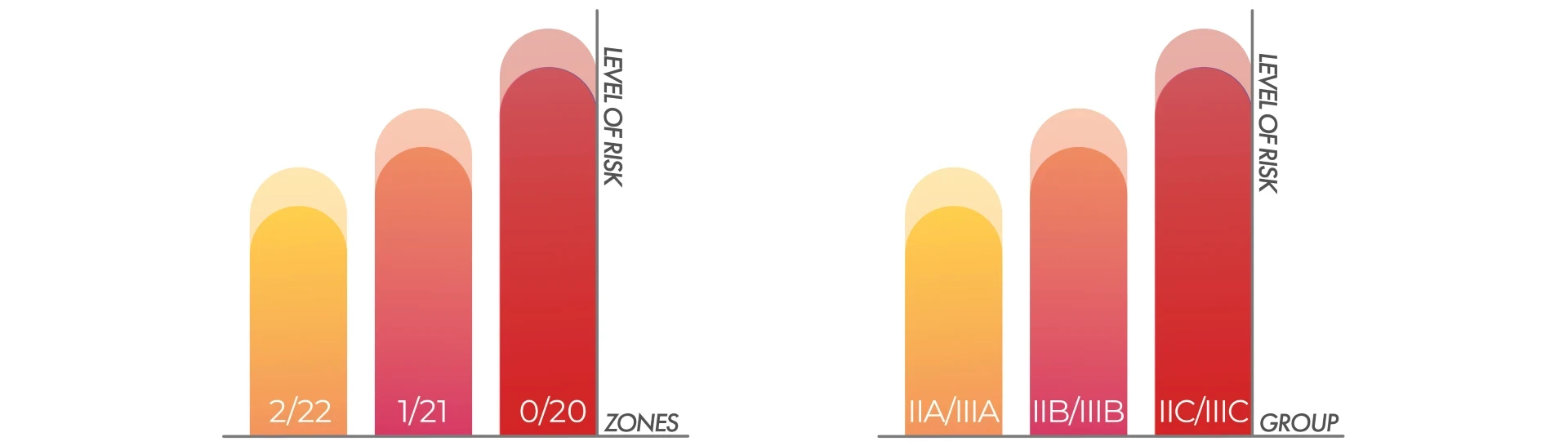
- Zone 0: Explosive atmosphere present continuously or for long periods.
- Zone 1: Explosive atmosphere likely during normal operations.
- Zone 2: Explosive atmosphere unlikely and of short duration.
2. Areas with Combustible Dusts
- Zone 20: Continuous or frequent presence of combustible dust.
- Zone 21: Likely presence during normal operation.
- Zone 22: Occasional presence.
This classification guides design decisions, choice of Ex equipment, protection methods, and inspections.
Substance Groups: Gases and Dusts with Different Characteristics
In addition to the zones, each industry must identify the group of flammable substances present in the process. The guide details three major groups (I, II, and III), with specific subdivisions according to the ignition properties of each material.
- Group IIA / IIIA: Lower risk, higher tolerance.
- Group IIB / IIIB: Intermediate risk.
- Group IIC / IIIC: Highly explosive materials, requiring more robust equipment.
This information is directly linked to the certification of electrical, electromechanical, and instrumentation equipment used on site.
 How to Choose the Right Ex Equipment
The type of protection applied to the equipment is essential to prevent ignition. Standards that address specific safety requirements for electrical equipment define methods such as:
- Ex d (explosion-proof): Contains an explosion internally without allowing the flame to spread.
- Ex e (increased safety): Prevents sparks and overheating.
- Ex i (intrinsically safe): Limits electrical energy to safe levels.
- Ex m (encapsulation): Isolates electrical components from the explosive atmosphere.
In addition, factors such as surface temperature, IP protection rating (Ingress Protection rating against the ingress of solids and liquids), and EPL protection level (which assesses the reliability of electrical equipment in preventing ignition in explosive atmospheres) must be considered together.
In outdoor electrical installations, one of the most critical points is the protection of the wiring path, especially in routes where there is a risk of sparking or heating. To meet this demand, Eletroprov® Haenke was developed to ensure tightness, resistance, and additional safety in classified environments. Manufactured with flexible 300 series stainless steel tubing, it has an external braid made of a special copper/tomback alloy and is internally coated with an insulating cover braided with synthetic fiber wires, in order to provide additional insulation and thus prevent possible electric arcs.
By using specified components, such as our conduit, you ensure that the entire system, from end equipment to distribution infrastructure, meets the level of protection required by your risk map and delivers the protection that keeps critical operations safe, stable, and in full technical compliance.
Contact our technical team and discover the ideal solution for your project!
🌐 Visit our website: www.haenke.com.br/en
And follow us on Instagram: @haenkebr for more information and industry news.